
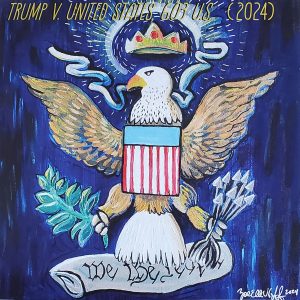
Trump v. United States
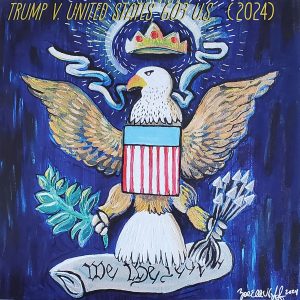 In August 2023, a grand jury indicted Trump on four charges related to alleged attempts to overturn the 2020 election results. Trump’s legal team moved to dismiss the indictment, asserting that he had presidential immunity for actions taken while in office. Lower courts rejected this claim, leading to an appeal to the Supreme Court.
On July 1, 2024, the Supreme Court issued a 6–3 decision with the following key points:
Absolute Immunity: Presidents have absolute immunity from criminal prosecution for actions within their core constitutional duties, such as issuing pardons or vetoing legislation.
Presumptive Immunity: For official acts outside the core constitutional functions, presidents have presumptive immunity, which can be challenged if prosecutors demonstrate that prosecution wouldn’t threaten the executive branch’s functioning.
No Immunity for Private Acts: Presidents have no immunity for unofficial acts unrelated to their official duties.
The Court vacated the appellate decision and remanded the case to the district court to determine which of Trump’s actions are prosecutable.
This ruling sets a precedent by delineating the scope of presidential immunity, potentially impacting how future presidents are held accountable for actions taken while in office.


